
Most Falls Begin With the Details We Stop Noticing
Falls can feel sudden, but the risks often build quietly: a loose rug, a dim hallway, slippery footwear or a change in balance. Falls cannot always be prevented, but recognizing these everyday hazards can make the home safer without unnecessarily limiting independence.
Begin with clear, well-lit pathways
Remove loose rugs, electrical cords and clutter from frequently used walkways. Pay particular attention to the path between the bedroom and bathroom. Nightlights, motion-activated lighting and accessible switches can make nighttime movement safer.
Give bathrooms and stairs extra attention
Wet surfaces, changing positions and stepping into a tub can make bathrooms difficult to navigate. Properly installed grab bars, nonslip surfaces and adequate lighting may reduce risk. Stairs should have secure handrails, visible edges and good lighting at both ends.
Choose supportive footwear
Loose slippers and socks on smooth flooring can reduce stability. Well-fitting shoes with nonslip soles generally provide better support, especially for someone experiencing balance or mobility changes.
Consider vision, balance and mobility changes
A familiar home may become harder to navigate when eyesight, strength or balance changes. Regular vision checks are important, and the home's layout should be reconsidered whenever someone begins using a cane, walker or other mobility device.
Discuss dizziness and medication concerns
Some prescription and over-the-counter medications can contribute to dizziness, drowsiness or unsteadiness. A physician or pharmacist should review medications when falls, near-falls or new balance problems occur. Medications should never be changed without professional guidance.
Remember outdoor areas and pets
Uneven walkways, wet leaves, poorly lit porches and unstable steps also deserve attention. Inside the home, pets moving underfoot can create unexpected hazards, particularly near stairs and narrow walkways.
Revisit safety as needs change
A one-time home-safety check is not enough. Seasonal conditions, health changes and new mobility equipment can introduce different risks. A family member, caregiver, physical therapist or occupational therapist may notice hazards that have become invisible to someone accustomed to the home.
What Brimeg Home Care caregivers notice
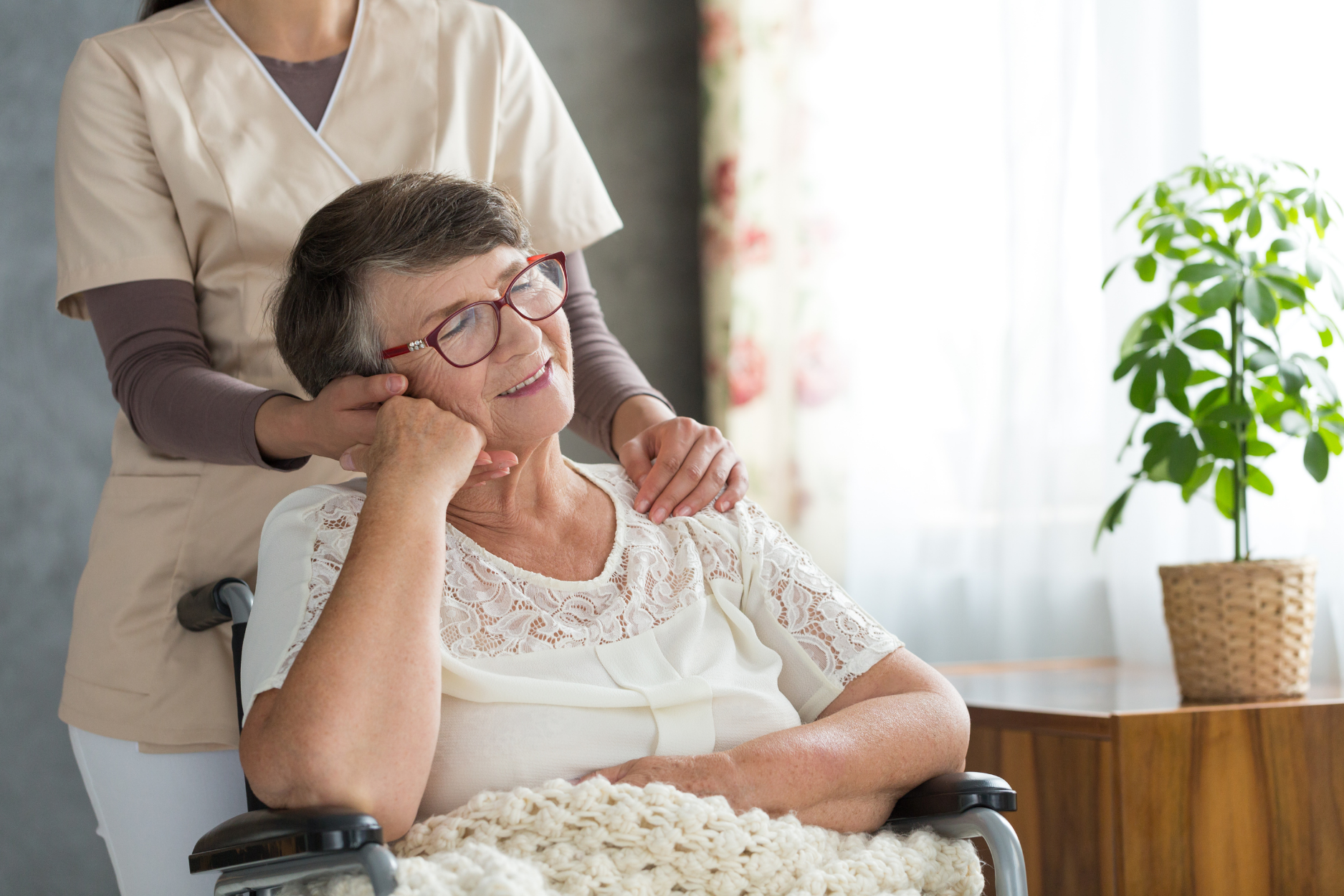
Thoughtful care includes paying attention to the ordinary details: a shifting rug, a blocked pathway, dim lighting or a change in steadiness. Brimeg caregivers observe, communicate concerns and support safer daily routines while respecting each client's dignity and independence.
Because living safely should support living independently and living well.
Let's talk about your family's situation
Every situation is a little different.
Request a Free Consultation